
What Are the Methods for Capturing Generational Stories
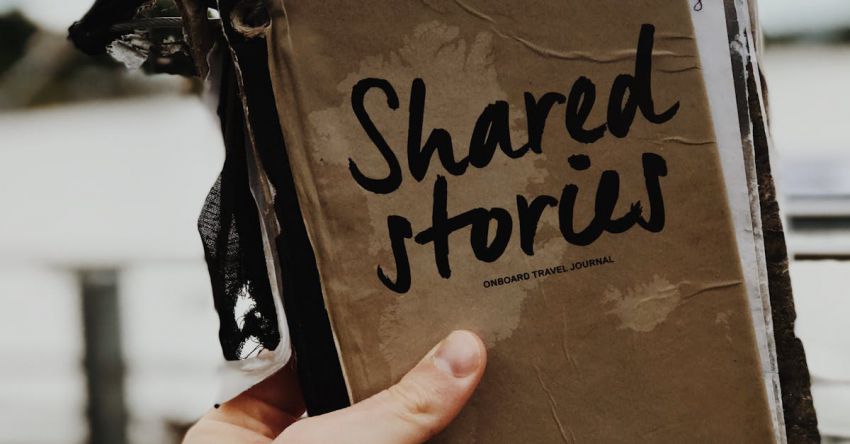
Preserving Generational Stories: Methods for Capturing the Essence of the Past
In a rapidly evolving world where traditions and values are constantly shifting, capturing and preserving generational stories has become more crucial than ever. These stories hold the key to understanding our roots, shaping our identities, and passing on invaluable wisdom to future generations. Fortunately, there are various methods available today that can help us capture these stories in all their richness and authenticity.
Oral History Interviews: Unveiling the Past through Personal Narratives
One of the most powerful ways to capture generational stories is through oral history interviews. By sitting down with older family members or community elders and recording their personal narratives, we can gain insight into their experiences, perspectives, and memories. These interviews offer a unique opportunity to delve into the past, allowing individuals to share their life stories in their own words.
During these interviews, it is essential to ask open-ended questions that encourage storytellers to delve into specific memories and elaborate on their experiences. By actively listening and allowing the storyteller to speak freely, researchers and family members can capture a wealth of information that might otherwise be lost to time.
Recording Family Recipes: Preserving Cultural Heritage through Food
Food has always played a central role in preserving cultural heritage and passing down traditions from one generation to the next. One method for capturing generational stories is to record family recipes that have been handed down through the years. These recipes not only provide a taste of the past but also serve as a tangible link to our ancestors and their way of life.
By documenting the ingredients, cooking methods, and stories behind these recipes, we can create a culinary archive that celebrates our cultural heritage and preserves the unique flavors of the past. Whether through handwritten recipe cards, digital cookbooks, or cooking demonstrations, sharing these recipes with future generations ensures that the essence of our culinary traditions lives on.
Photographs and Memorabilia: Visual Snapshots of History
Photographs and memorabilia offer another powerful method for capturing generational stories. These visual artifacts provide a glimpse into the past, allowing us to see our ancestors in moments of joy, sorrow, and everyday life. By organizing and preserving family photographs, letters, and keepsakes, we can create a visual narrative that tells the story of our heritage.
One effective approach is to gather family members together to identify individuals in old photographs, share stories associated with specific images, and document the context in which these photos were taken. By creating a visual timeline of our family history, we can trace the evolution of our lineage and gain a deeper appreciation for the experiences that have shaped our identity.
Digital Storytelling: Engaging the Next Generation through Technology
In today’s digital age, technology offers innovative ways to capture and share generational stories with a broader audience. Digital storytelling, which combines multimedia elements such as photographs, videos, narration, and music, provides a dynamic platform for preserving family histories in a compelling and interactive format.
By creating digital storyboards or short films that incorporate interviews, archival footage, and visual imagery, we can engage younger generations in the storytelling process and ensure that these stories resonate with a modern audience. Through social media, online platforms, and digital archives, we can share these narratives with a global community, preserving our heritage for future generations to cherish.
Embracing the Past: Ensuring the Legacy Lives On
Capturing generational stories is a vital endeavor that honors our ancestors, preserves our cultural heritage, and enriches our understanding of the past. By embracing diverse methods such as oral history interviews, recording family recipes, organizing photographs and memorabilia, and utilizing digital storytelling, we can ensure that the legacy of our ancestors lives on for generations to come. Each story shared is a thread in the rich tapestry of our collective history, weaving together the diverse experiences, voices, and traditions that define who we are. Let us continue to capture, preserve, and celebrate these stories, for they are the essence of our past and the legacy of our future.