
What Are the Key Differences between Dslr and Mirrorless Cameras
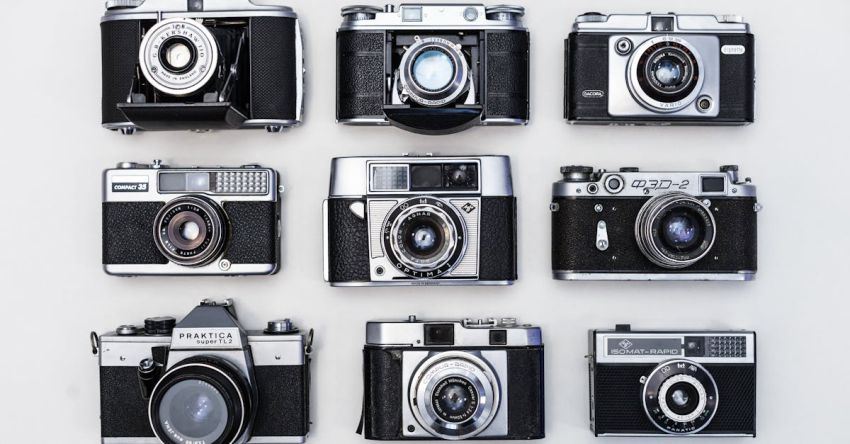
In the world of photography, two types of cameras have been dominating the market in recent years: DSLR (Digital Single-Lens Reflex) and mirrorless cameras. Both offer exceptional image quality and versatility, but they have distinct differences that cater to different preferences and needs. Understanding these variances can help photographers make an informed decision when choosing the camera that best suits their style. Let’s delve into the key disparities between DSLR and mirrorless cameras.
Performance and Size
When it comes to performance, DSLR cameras have long been the preferred choice for professional photographers due to their superior autofocus speed and battery life. The mirror mechanism in DSLRs allows for quick and accurate focusing, making them ideal for capturing fast-moving subjects. Additionally, DSLRs generally have longer battery life compared to mirrorless cameras, which is advantageous for extended shooting sessions.
On the other hand, mirrorless cameras have made significant strides in performance in recent years. One of the standout features of mirrorless cameras is their compact size and lightweight design. By eliminating the bulky mirror and optical viewfinder found in DSLRs, mirrorless cameras are more portable and convenient for photographers who are always on the go. Despite their smaller size, mirrorless cameras now offer comparable autofocus speeds and image quality to DSLRs, thanks to advancements in technology.
Viewfinder and Display
A significant point of departure between DSLR and mirrorless cameras is the viewfinder system. DSLRs feature an optical viewfinder that uses a mirror to reflect the scene through the lens, providing a direct and natural view of the subject. This optical viewfinder offers a lag-free and real-time preview of the scene, making it easier for photographers to compose their shots accurately.
On the contrary, mirrorless cameras utilize electronic viewfinders (EVFs) or rely solely on the rear LCD screen for composing images. EVFs display a digital feed from the camera sensor, offering a live preview of the exposure and depth of field adjustments in real-time. While some photographers prefer the optical viewfinder of DSLRs for its natural viewing experience, others appreciate the electronic viewfinder of mirrorless cameras for its ability to show the precise exposure of the final image before it is captured.
Lens Selection and Compatibility
Another crucial factor to consider when choosing between DSLR and mirrorless cameras is the availability of lenses and compatibility options. DSLRs have been on the market for much longer than mirrorless cameras, resulting in a wider selection of lenses from various manufacturers. This extensive range of lenses gives photographers more flexibility and versatility in choosing the right lens for their specific photographic needs.
In contrast, mirrorless cameras are relatively newer to the market, but manufacturers have been rapidly expanding their lens offerings to cater to the growing demand for mirrorless systems. While the selection of lenses for mirrorless cameras may not be as vast as that of DSLRs, many mirrorless cameras can use lens adapters to mount DSLR lenses, providing photographers with greater flexibility in lens choices.
Price and Value
When it comes to pricing, DSLR cameras have traditionally been more affordable than mirrorless cameras, especially for entry-level models. However, as mirrorless technology continues to evolve and gain popularity, the price gap between DSLRs and mirrorless cameras has been narrowing. In some cases, high-end mirrorless cameras can even surpass the price of DSLRs due to their advanced features and capabilities.
The value proposition of DSLR and mirrorless cameras ultimately depends on the individual photographer’s preferences and requirements. While DSLRs offer reliable performance and a wide range of lens options at a lower cost, mirrorless cameras provide compactness, innovative technology, and enhanced portability. Photographers must weigh these factors and decide which camera type aligns best with their shooting style and goals.
In Conclusion
In conclusion, the choice between DSLR and mirrorless cameras boils down to personal preference and shooting requirements. Both camera systems have their unique strengths and weaknesses, and understanding the key differences between them can help photographers make an informed decision. Whether you prioritize performance, size, lens selection, or price, there is a camera out there that suits your needs. Ultimately, the best camera is the one that empowers you to capture stunning images and unleash your creativity behind the lens.