
What Are the Best Techniques for Landscape Photography
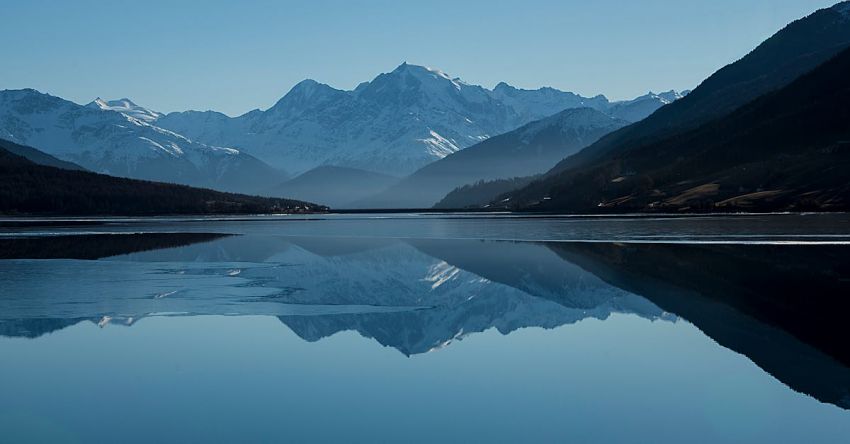
Capturing the beauty of nature through landscape photography is a popular and rewarding pursuit for many photographers. The ability to freeze a breathtaking scene in time and share it with others is a powerful way to evoke emotions and inspire creativity. However, mastering the art of landscape photography requires more than just pointing and shooting. To truly capture the essence of a landscape, photographers must employ certain techniques that enhance the visual impact of their images. In this article, we will explore some of the best techniques for landscape photography that can help elevate your work to the next level.
Finding the Right Light
Light is one of the most crucial elements in photography, and it plays a significant role in landscape photography. The quality of light can dramatically affect the mood and atmosphere of a scene, so it’s essential to pay attention to the time of day and the direction of the light when shooting landscapes. The golden hours of sunrise and sunset often provide soft, warm light that can add depth and dimension to your images. Avoid harsh midday sunlight, as it can create strong shadows and wash out colors in your photos. Experiment with different lighting conditions to see how they impact your compositions and choose the best light for the mood you want to convey in your images.
Composition Techniques
Composition is key in landscape photography, as it helps guide the viewer’s eye through the image and creates a sense of balance and harmony. One of the most popular composition techniques in landscape photography is the rule of thirds. Divide your frame into a grid of three equal sections both horizontally and vertically, and place key elements of your composition along these lines or at their intersections. This technique helps create a more dynamic and visually appealing image. Leading lines are another effective composition technique that can draw the viewer’s eye into the scene and create a sense of depth. Look for natural elements like roads, rivers, or fences that can act as leading lines and guide the viewer’s gaze through the frame.
Using Filters
Filters are essential tools for landscape photographers, as they can help control exposure, enhance colors, and reduce glare in your images. A polarizing filter is particularly useful for landscape photography, as it can help reduce reflections and improve contrast in the sky and water. Neutral density filters are also handy for long exposure photography, allowing you to create silky smooth water effects or capture the movement of clouds in the sky. Experiment with different types of filters to see how they can enhance your landscape photos and add a professional touch to your work.
Foreground Interest
Adding a strong foreground element to your landscape compositions can create a sense of depth and draw the viewer into the scene. Look for interesting foreground elements like rocks, flowers, or trees that can anchor your composition and provide a point of interest for the viewer. Using a wide-angle lens can help emphasize the foreground and create a sense of scale in your images. Experiment with different angles and perspectives to find the best foreground elements that complement the overall composition of your landscape photos.
Post-Processing Techniques
Post-processing is an essential part of the photography workflow, and it can help enhance the colors, contrast, and sharpness of your landscape images. Use editing software like Adobe Lightroom or Photoshop to fine-tune your photos and bring out the best in your compositions. Adjust the exposure, contrast, and white balance to achieve the desired look for your images. Be careful not to over-process your photos, as this can lead to unnatural-looking results. Experiment with different editing techniques to find a style that suits your artistic vision and enhances the beauty of your landscape photos.
In conclusion,
Mastering the art of landscape photography requires a combination of technical skill, creative vision, and a deep appreciation for the natural world. By employing the techniques mentioned in this article, you can elevate your landscape photography and create stunning images that capture the beauty and essence of the landscapes around you. Experiment with different lighting conditions, composition techniques, filters, foreground elements, and post-processing techniques to develop your unique style and create images that resonate with viewers. Remember, practice makes perfect, so get out there and start capturing the beauty of the world through your lens.