
What Are the Techniques for Capturing Concerts and Performances
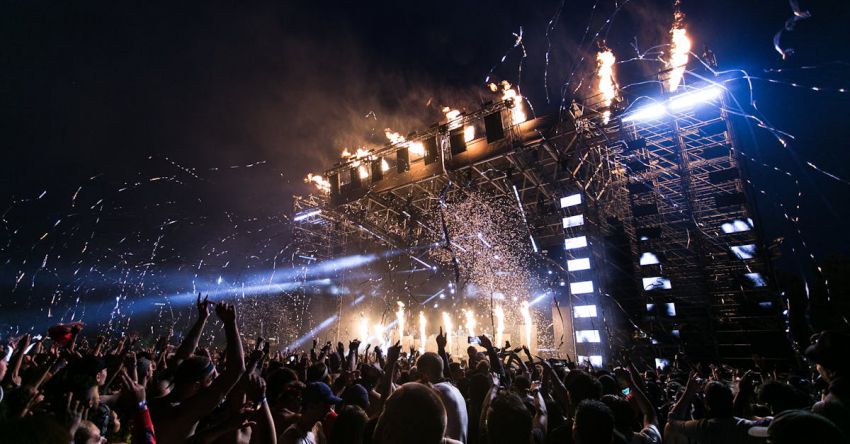
Capturing the energy and essence of concerts and performances through photography can be a thrilling yet challenging endeavor. Whether you are a professional photographer or just an enthusiast looking to document the magic of live music and stage performances, mastering the techniques for capturing these dynamic moments is essential. From adjusting your camera settings to finding the perfect angles and timing, there are several key strategies that can help you elevate your concert photography skills.
Understanding Lighting and Exposure
One of the most critical elements in concert photography is lighting. Concert venues can have a wide range of lighting conditions, from bright spotlights to dim ambient lighting. To capture clear and sharp images, it is essential to understand how to adjust your camera’s exposure settings accordingly. Experimenting with different exposure settings, such as aperture, shutter speed, and ISO, can help you find the right balance between capturing the performers in action and maintaining the integrity of the lighting effects.
Utilizing Fast Shutter Speeds
Concerts and performances are dynamic and fast-paced environments, with performers moving quickly across the stage and engaging with the audience. To freeze these moments in time and avoid motion blur, using a fast shutter speed is crucial. A shutter speed of at least 1/250 or higher is recommended to ensure sharp and crisp images, especially when capturing fast movements such as guitar solos or drum fills.
Finding Unique Angles and Perspectives
One of the keys to capturing compelling concert photos is to explore different angles and perspectives. Instead of standing in one spot and shooting from a distance, try moving around the venue to find unique vantage points. Experiment with shooting from the front row, the side of the stage, or even behind the performers to capture intimate and dynamic shots. Playing with angles and perspectives can add depth and visual interest to your concert photography.
Embracing Low Light Challenges
Concert venues are often dimly lit spaces, presenting a challenge for photographers to capture clear and well-exposed images. Embracing the low light conditions and using them to your advantage can result in stunning and atmospheric photos. Consider using a wide aperture lens to let in more light, or experiment with long exposures to capture the movement and energy of the performers on stage. Embracing the challenges of low light photography can lead to creative and visually striking images.
Timing Is Everything
Timing plays a crucial role in concert photography, as capturing the perfect moment can make all the difference in your images. Anticipating the peak moments of a performance, such as a singer hitting a high note or a guitarist jumping in the air, can help you capture the most impactful and emotive shots. Being attentive to the rhythm and flow of the performance can guide you in timing your shots effectively and capturing the essence of the live experience.
Post-Processing Techniques
After capturing your concert photos, post-processing can further enhance the quality and impact of your images. Experimenting with editing software such as Adobe Lightroom or Photoshop can help you fine-tune the exposure, color balance, and contrast of your photos. Adjusting the levels of highlights and shadows, reducing noise in low light images, and enhancing the vibrancy of colors can make your concert photos stand out and come to life.
Incorporating these techniques into your concert photography workflow can help you capture the energy, emotion, and artistry of live performances in a visually compelling way. By understanding lighting, utilizing fast shutter speeds, exploring unique angles, embracing low light challenges, mastering timing, and experimenting with post-processing techniques, you can elevate your concert photography skills and create captivating images that transport viewers to the heart of the music and performance.