
How to Use Photography to Tell a Story
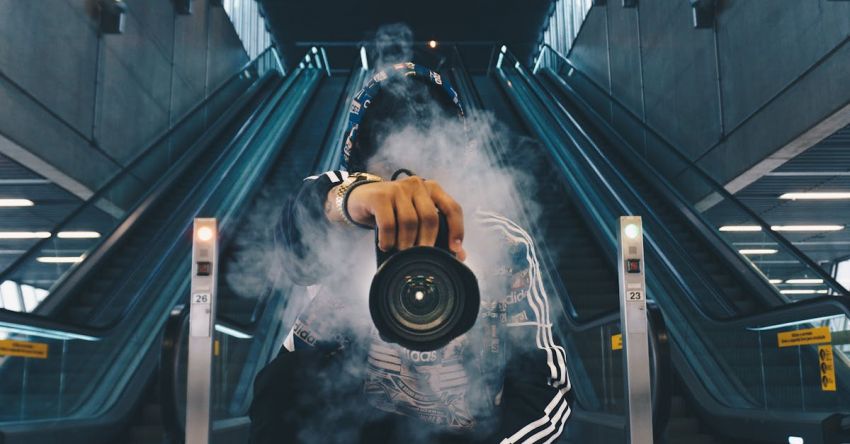
Photography is a powerful tool that allows individuals to express themselves, evoke emotions, and tell stories without uttering a single word. The art of storytelling through photography involves capturing moments, emotions, and details that convey a narrative to the viewer. Whether you are a professional photographer or an amateur enthusiast, understanding how to use photography to tell a story can significantly enhance the impact of your images.
Capturing Emotions through Portraits
Portraits are a powerful way to convey emotions and tell a story through photography. By focusing on the subject’s facial expressions, body language, and surroundings, you can capture a moment that speaks volumes. When taking portraits, pay attention to the lighting, composition, and background to create a cohesive narrative. A close-up shot of a person’s face can reveal intimate details and emotions, while a wider shot can provide context and establish a sense of place.
Using Light and Shadow to Set the Mood
Lighting plays a crucial role in photography and can be used to convey different moods and emotions in your images. By playing with light and shadow, you can create a sense of drama, mystery, or warmth in your photos. Experiment with natural light, artificial light sources, and shadows to add depth and dimension to your storytelling. Soft, diffused light can create a gentle and dreamy atmosphere, while harsh light and deep shadows can evoke a sense of tension or intrigue.
Capturing Details to Enhance the Narrative
Details are essential elements that can enhance the storytelling aspect of your photographs. Pay attention to small objects, textures, patterns, and gestures that can add layers of meaning to your images. A close-up shot of a weathered hand holding a flower can convey a sense of fragility and beauty, while a photograph of worn-out shoes can tell a story of a journey taken. Include these subtle details in your compositions to invite viewers to look closer and discover the narrative within the frame.
Choosing the Right Composition
Composition is the arrangement of elements within a frame and plays a significant role in storytelling through photography. Experiment with different angles, perspectives, and framing techniques to create dynamic and engaging compositions. The rule of thirds, leading lines, symmetry, and framing are just a few composition techniques that can help you convey your story effectively. Consider the spatial relationships between elements in your frame and how they interact with each other to create a cohesive narrative.
Creating a Visual Narrative
A series of photographs can be used to create a visual narrative that tells a more complex and nuanced story. By sequencing images in a deliberate order, you can guide viewers through a visual journey that unfolds over time. Consider the pacing, rhythm, and flow of your images to create a cohesive narrative arc. Pay attention to transitions between images, contrasts in mood and tone, and the overall visual consistency to create a compelling visual story.
Crafting a Story with Color
Color plays a vital role in conveying emotions and setting the tone in photography. Different colors evoke different feelings and moods, so choose your color palette thoughtfully to enhance the storytelling aspect of your images. Warm colors like red and yellow can create a sense of warmth and energy, while cool colors like blue and green can evoke calmness and tranquility. Experiment with color contrasts, harmonies, and saturation levels to create a visual language that complements your narrative.
Incorporating Movement and Action
Movement and action can add a dynamic element to your storytelling photography. By capturing moments of motion, gestures, and expressions, you can create a sense of energy and vitality in your images. Experiment with different shutter speeds to freeze or blur motion, depending on the effect you want to achieve. Incorporate elements of movement in your compositions to create a sense of urgency, excitement, or fluidity that enhances the narrative.
Crafting a Compelling Story with Photography
Photography is a versatile medium that allows individuals to tell stories in a visual and evocative way. By paying attention to elements such as emotions, lighting, details, composition, color, movement, and sequencing, you can craft a compelling narrative that engages viewers on a deeper level. Whether you are capturing portraits, landscapes, still life, or street photography, the key is to approach each image with intention and thoughtfulness to create a story that resonates with your audience. Experiment, explore, and push the boundaries of your creativity to unlock the storytelling potential of photography.