
How to Master Low-light Photography
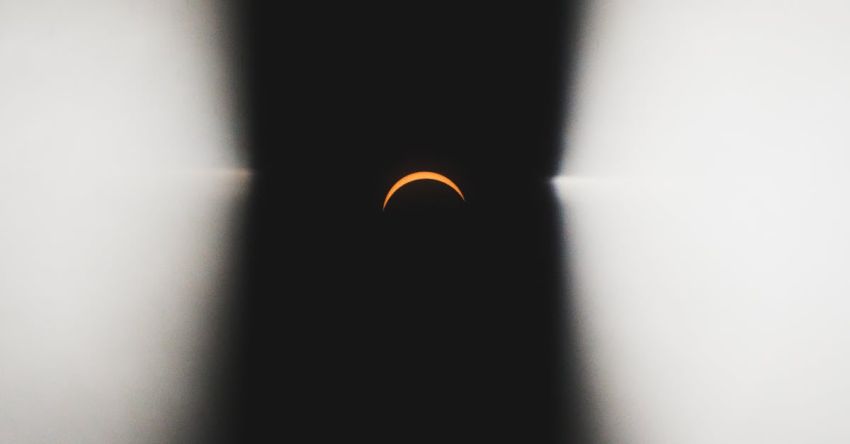
Capturing stunning photos in low-light conditions can be a challenging yet rewarding endeavor for photographers. The art of mastering low-light photography requires a combination of technical knowledge, creativity, and patience. Whether you’re shooting in dimly lit interiors, during twilight, or at night, understanding the key techniques and equipment needed can help you achieve impressive results. In this article, we will explore how you can elevate your low-light photography skills to the next level.
Understanding Your Camera Settings
Mastering low-light photography begins with a thorough understanding of your camera settings. When shooting in low-light conditions, it’s crucial to adjust your aperture, shutter speed, and ISO settings to let in more light. Start by using a wide aperture (low f-stop number) to allow more light to reach the camera sensor. Additionally, slowing down your shutter speed can help capture more light, but be mindful of camera shake that can result in blurry images. Experiment with different ISO settings to find the right balance between brightness and image noise.
Utilizing Long Exposure Techniques
Long exposure photography can produce breathtaking results in low-light settings. By keeping the shutter open for an extended period, you can capture light trails, star trails, and other dynamic effects. To master long exposure techniques, use a tripod to keep your camera stable and prevent motion blur. Consider investing in a remote shutter release to minimize camera shake when triggering the shutter. Experiment with different exposure times to achieve the desired effect, whether it’s capturing flowing water or painting with light in the dark.
Harnessing the Power of Natural Light
When shooting in low-light conditions, natural light can be your best ally. Take advantage of available light sources such as streetlights, candles, or moonlight to create unique and atmospheric images. Pay attention to the direction and quality of light to enhance the mood of your photos. Experiment with backlighting and silhouettes to add drama to your compositions. Don’t be afraid to play with shadows and highlights to create contrast and visual interest in your low-light photographs.
Using Artificial Lighting Techniques
In situations where natural light is limited, artificial lighting can be a valuable tool for low-light photography. Explore the creative possibilities of using external flashes, LED lights, or light painting techniques to illuminate your subjects. Experiment with different lighting angles and intensities to set the mood and create dynamic compositions. Consider using diffusers or reflectors to soften harsh light and achieve a more flattering look. With practice, you can master the art of balancing natural and artificial light to capture captivating low-light images.
Embracing Post-Processing Tools
Post-processing plays a crucial role in enhancing your low-light photographs and bringing out their full potential. Experiment with editing software such as Adobe Lightroom or Photoshop to adjust exposure, contrast, and color balance. Fine-tune your images by reducing noise, sharpening details, and applying creative effects to achieve the desired look. Don’t be afraid to experiment with different editing techniques to elevate your low-light photos to a professional level.
Pushing the Boundaries of Creativity
Mastering low-light photography is not just about technical skills; it’s also about unleashing your creativity and pushing the boundaries of what’s possible. Experiment with unconventional angles, compositions, and perspectives to capture unique and compelling images. Embrace challenges and embrace the limitations of shooting in low-light conditions to inspire your artistic vision. Remember that practice, experimentation, and perseverance are key to mastering the art of low-light photography.
In conclusion, mastering low-light photography requires a combination of technical expertise, creativity, and dedication. By understanding your camera settings, utilizing long exposure techniques, harnessing natural and artificial light, embracing post-processing tools, and pushing the boundaries of creativity, you can elevate your low-light photography skills to new heights. With practice and perseverance, you can capture stunning images in even the most challenging lighting conditions. So grab your camera, explore the world after dark, and unleash your creativity in the realm of low-light photography.