
What Are the Key Steps to Organizing a Family Reunion
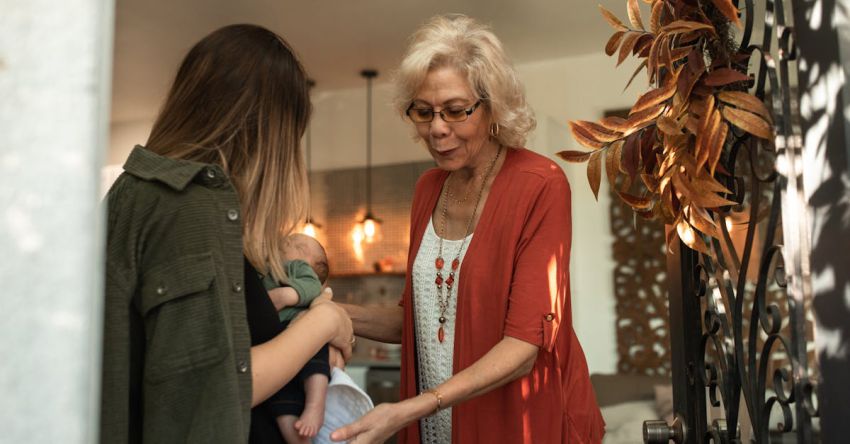
Gathering the whole family together for a reunion can be a memorable and special occasion. It gives everyone a chance to catch up, create new memories, and strengthen family bonds. However, organizing a family reunion can be a daunting task, especially when dealing with various schedules, preferences, and logistics. To ensure a successful and enjoyable gathering, it is important to plan ahead and consider key steps in the process.
Setting a Date and Location
The first crucial step in organizing a family reunion is to determine a suitable date and location. Consider the availability of family members, holidays, and seasons when planning the event. It’s essential to choose a date that works for as many family members as possible to maximize attendance. Additionally, select a location that is convenient and accessible for everyone, taking into account factors such as travel distance, accommodation options, and facilities available at the venue.
Creating a Planning Committee
To alleviate the workload and ensure that all aspects of the reunion are well-coordinated, consider forming a planning committee comprising family members who are willing to help. Delegate tasks such as venue selection, budget planning, food arrangements, invitations, entertainment, and logistics to different committee members to divide the responsibilities and ensure a smooth planning process.
Establishing a Budget
Setting a budget is essential to determine the financial scope of the family reunion. Consider expenses such as venue rental, catering, decorations, activities, transportation, and accommodations. Determine whether the costs will be covered by individual contributions, fundraising efforts, or a combination of both. Having a clear budget will help prevent overspending and ensure that all expenses are accounted for.
Sending Out Invitations
Once the date, location, and budget are established, it’s time to send out invitations to the family members. Utilize various communication channels such as email, social media, phone calls, or traditional mail to reach out to everyone. Include important details such as the date, location, agenda, RSVP deadline, and any special instructions or requests. Encourage early responses to get an accurate headcount and plan accordingly.
Planning Activities and Entertainment
To keep the reunion engaging and enjoyable for all attendees, plan a variety of activities and entertainment options. Consider age groups and interests when selecting games, workshops, excursions, or performances. Create a schedule that allows for both structured activities and free time for socializing and bonding. Remember to incorporate elements that cater to different preferences to ensure that everyone has a good time.
Organizing Meals and Refreshments
Food plays a significant role in any gathering, and a family reunion is no exception. Coordinate meal options, dietary restrictions, and preferences to ensure that all attendees are accommodated. Consider hiring a catering service, organizing a potluck, or arranging group meals at local restaurants. Plan for snacks and refreshments throughout the day to keep everyone energized and satisfied.
Handling Logistics and Accommodations
In addition to planning the event itself, consider the logistics and accommodations for out-of-town guests. Provide information on transportation options, parking facilities, and nearby accommodations for those traveling from a distance. Arrange group rates or discounts with hotels, and ensure that everyone has access to necessary information and resources to make their stay comfortable and convenient.
Documenting the Reunion
Capture the special moments and memories of the family reunion by documenting the event through photos, videos, or a guestbook. Assign someone to be the designated photographer or videographer to preserve the highlights of the gathering. Encourage attendees to share their own photos and experiences on social media or a dedicated online platform to create a lasting record of the reunion.
Reflecting and Planning for the Future
After the family reunion has concluded, take the time to reflect on the event and gather feedback from attendees. Evaluate what went well, what could be improved, and what could be done differently in the future. Consider establishing traditions or planning for the next reunion to continue strengthening family connections and creating lasting memories for generations to come.
Incorporating these key steps into the organization of a family reunion can help ensure a successful and memorable gathering that brings loved ones together in a meaningful way. By planning ahead, delegating tasks, communicating effectively, and considering the preferences of all attendees, you can create an event that fosters unity, joy, and lasting relationships within your family.